
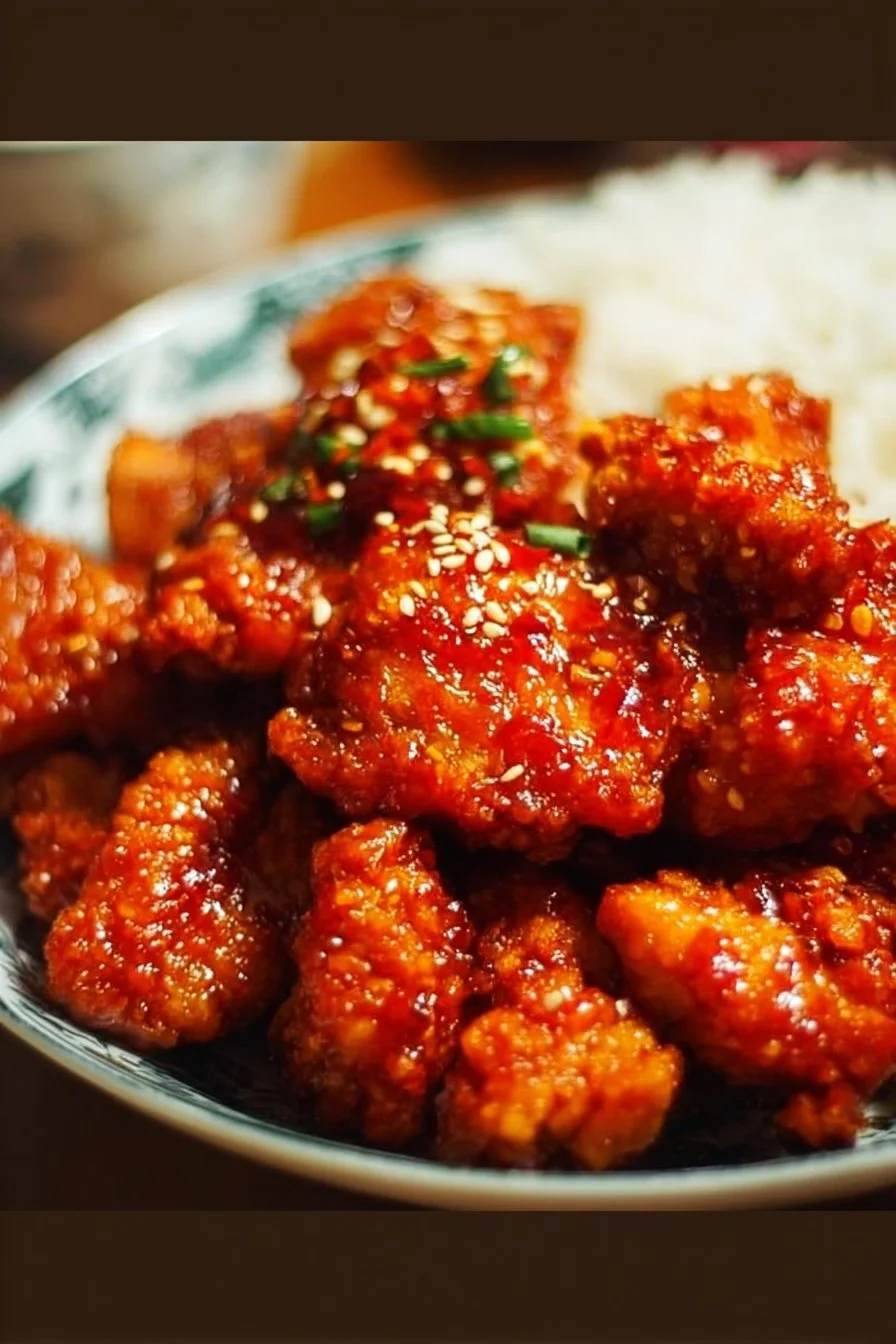
Korean fried chicken is a culinary delight that has captured the hearts and taste buds of food lovers across the globe. Imagine tender, juicy chicken wings coated in a crispy, crunchy batter, and then smothered in a sweet and spicy sauce. It’s a perfect combination of flavors and textures that makes this dish absolutely irresistible. Whether you’re preparing it for a casual dinner, a festive gathering, or simply to indulge your cravings, this recipe promises to deliver authentic Korean flavors right to your table.
Why you’ll love this dish
What makes Korean fried chicken stand out among other chicken recipes? For one, it’s incredibly versatile. You can tweak the sweetness and spice to match your preferences, making it suitable for family gatherings or adventurous solo meals. It’s quick to make, budget-friendly, and perfect for sharing. Imagine impressing your friends with this mouthwatering dish during game night or a casual get-together.
“This is the best fried chicken I’ve ever made! The crunch is unbeatable, and the sauce is just the right amount of spicy.” – A satisfied home cook
The cooking process explained
Making Korean fried chicken is easier than you might expect. You’ll start by marinating the chicken to infuse it with flavor. Then, it’s all about coating those pieces in a crispy batter and frying them to perfection. Finally, you toss them in a spicy, sticky sauce that takes them to a whole new level. It’s a layered experience – each step adds depth, and the result is a dish that looks as good as it tastes.
What you’ll need
To bring this dish to life, you’ll gather a few key ingredients:
- Chicken wings (or drumsticks)
- All-purpose flour
- Cornstarch
- Seasonings (such as garlic powder and pepper)
- A savory sauce (think gochujang, honey, soy sauce, and sesame oil)
Don’t forget fresh scallions and sesame seeds for garnish! If you’re looking for a gluten-free option, you can substitute with rice flour and a cornstarch blend.
Cooking method
Now, let’s dive into the directions for making that crunchy, flavor-packed chicken.
- Marinate your chicken in a mixture of soy sauce, garlic, and ginger for about 30 minutes.
- In a large bowl, combine flour, cornstarch, and seasonings.
- Coat each piece of marinated chicken thoroughly in the flour mixture, ensuring a good layer for maximum crunch.
- Heat oil in a deep pot or fryer to 350°F (175°C). Carefully fry the chicken in batches until golden brown and crispy, usually around 8-10 minutes.
- In a separate pan, combine your sauce ingredients over medium heat until they’re beautifully blended.
- Once the chicken is fried, toss it in the sauce until evenly coated.
Best ways to enjoy it
This dish is all about presentation and pairing. Serve your Korean fried chicken on a large platter, garnished with sliced scallions and sesame seeds for that extra flair. To complement your feast, think about adding fluffy white rice, pickled radishes, or a refreshing salad. These sides bring balance to the richness of the chicken and enhance the overall dining experience.
Storage and reheating tips
Leftovers? No problem! To store your Korean fried chicken, place it in an airtight container and refrigerate. It should last about 3-4 days. For longer storage, you can freeze the chicken, but make sure to separate the fried pieces with parchment paper to prevent sticking. When you’re ready to enjoy it again, reheat in the oven to retain that crispy texture rather than using a microwave.
Helpful cooking tips
Here are a few tricks to elevate your Korean fried chicken:
- Double-fry the chicken for unbeatable crunch. Fry it once, let it rest for a few minutes, and then fry again for that perfect texture.
- Adjust the sauce to your taste—feel free to add more honey for sweetness or gochujang for an extra kick.
- Prepping your ingredients beforehand can make the cooking process smoother, so consider organizing everything on your counter before you start.
Creative twists
Want to shake things up? Try adding various flavors to your chicken! Here are a few creative ideas:
- Sesame ginger sauce for a twist on the traditional flavor profile.
- Mango or pineapple for a tropical touch.
- Korean BBQ marinades for a smokier flavor infused in the frying process.
Common questions
What is the prep time for Korean fried chicken?
Typically, you should allow about 30 minutes for marinating and another 30 minutes for preparation and frying.
Can I use chicken breasts instead of wings?
Absolutely! Just remember that cooking times will vary, so ensure the chicken reaches an internal temperature of 165°F (75°C).
How do I make Korean fried chicken less spicy?
Reduce the amount of gochujang in the sauce, or substitute it with a milder ingredient like sweet chili sauce.
By following these steps and tips, you’ll be well on your way to mastering this delicious dish. Enjoy your culinary adventure with Korean fried chicken!
Print
Korean Fried Chicken
- Total Time: 60 minutes
- Yield: 4 servings
- Diet: Gluten-Free (if using rice flour)
Description
A delicious combination of crunchy batter and a sweet and spicy sauce, perfect for any occasion.
Ingredients
- 2 lbs chicken wings (or drumsticks)
- 1 cup all-purpose flour
- 1/2 cup cornstarch
- 1 tsp garlic powder
- 1 tsp black pepper
- 1/2 cup soy sauce
- 1 tsp minced garlic
- 1 tsp minced ginger
- 1/4 cup gochujang
- 1/4 cup honey
- 1/4 cup sesame oil
- Fresh scallions, for garnish
- Sesame seeds, for garnish
Instructions
- Marinate the chicken in a mixture of soy sauce, garlic, and ginger for about 30 minutes.
- In a large bowl, combine flour, cornstarch, and seasonings.
- Coat each piece of marinated chicken thoroughly in the flour mixture.
- Heat oil in a deep pot or fryer to 350°F (175°C).
- Fry the chicken in batches for about 8-10 minutes until golden brown and crispy.
- In a separate pan, mix sauce ingredients over medium heat until blended.
- Toss the fried chicken in the sauce until evenly coated.
Notes
Double-frying the chicken enhances its crunch. Adjust the sauce for sweetness or spice based on preference.
- Prep Time: 30 minutes
- Cook Time: 30 minutes
- Category: Appetizer
- Method: Frying
- Cuisine: Korean